
The Difference Between Spring and Fall Chinook
No Pacific Northwest salmon angler is unfamiliar with the name Chinook. However, not everyone knows that spring Chinook and fall Chinook are the same species that act as two totally different fish. They even enter rivers at various times, have very different fats and even fight in different waters. On the plate they also do not taste the same. Knowing these differences will enable you to plan more trips and go after the correct fish. So here’s exactly how spring and fall Chinook compare, and why it matters for your next outing.
When Do Spring and Fall Chinook Run in Oregon?
Oregon salmon season starts with Spring Chinook. They begin to enter the Columbia River in the end of February, and the Willamette run reaches its peak in April. Columbia Columbia forecast 2026 forecasts 147,300 upriver spring Chinook, compared to 126,248 on average over the last 10 years. Coastal spring occurs along the coast peak of Oregon coastlines (north and south) in the month of May, up to June. In the meantime, fall Chinook come later to a great deal. They begin to push into Oregon estuaries in August and proceed up the rivers through October. Yaquina Bay, Tillamook Bay, and Nehalem experiences their best fall Chinook fishing in September and October. More than a million fall Chinook are returned to Oregon rivers annually. So, how long you should be on the water depends on your target run.
Size, Fat Content, and Taste Differences Between Spring and Fall Chinook
The chinooks (spring) normally weigh between 10 and 20 pounds on average. There are five-year-old fish that are over 30 pounds. Fall Chinook are larger, 15 to 30 pounds, and June Hogs were 40 to 50 pounds. But the actual title is fat content. Chinook spring at the Columbia River have fat levels that may be 9 times that of fall Chinook kinsmen when they enter the river.
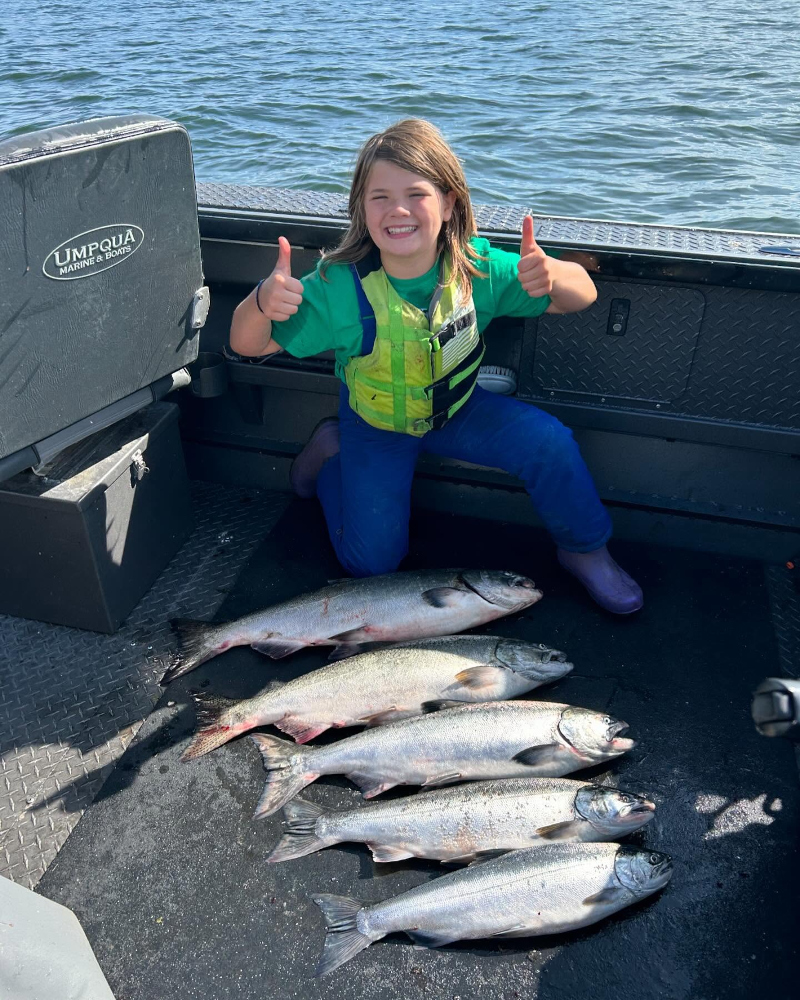
A study on Fraser River found spring Chinook at approximately 12.7 whole-body lipid content and fall Chinook at approximately 7.3. This is the difference of fats that is the motivating factor of flavor. The Spring Chinook are rich and buttery fillets that are sought after by chefs and sushi markets. Fall Chinook are lovely in the ocean or tidewater, where they are fresh, but quickly degrade in quality once in the river. Ultimately, timing your catch matters as much as choosing your run.
Spring vs. Fall Chinook Fishing Techniques and Gear
There are some very different ways of approach by the angler with each run. The fishing of Spring Chinook is based on slow presentations in the colder and deeper water. Guides are used to work the herring, prawns, or bait-wrapped plugs through shipping lanes, pinnacles, and shelves. Back-bouncing roe is particularly successful in such rivers as Willamette near Oregon City. The fish is usually found in depths of 18-80 feet. Fall Chinook fishing, on the other hand, occurs in warmer waters at faster speeds. In the estuaries and tidewater, fishermen troll spinners, cured roe, and plugs. The best bite is normally caused by outgoing tides. Fall Chinook are also good responders to back-trolling plugs through river holes as they relocate upstream. Also, river Chinook fishing is continued into late October with the right rain. So your gear box should match the run you’re chasing.
Why Spring Chinook Face Greater Conservation Challenges
In the Pacific Northwest, Spring Chinook are in grave danger. The upper Willamette spring chinook have been listed as an ESA threatened since 1999. In a 2024 review by NOAA, viability of the wild population declined even more. Wild Willamette spring-runs have decreased approximately 99 percent of historic population. There are nine populations of Chinooks that are listed on the Endangered Species Act. Things are aggravated by climate change. The spring chinook relies on the cold and snow-fed rivers to access remote upstream spawning sites. With diminishing snowpack and warming streams, those fish are deprived of habitat. Fall Chinook also have difficulties, but in most cases, have better returns. Therefore, most Oregon anglers must release wild spring Chinook and keep only fin-clipped hatchery fish.
Common Myths About Spring and Fall Chinook
There are a number of myths that deceive even hard-seasoned anglers. To begin with, the spring and fall Chinook are believed to be different species. They’re not. Their DNA is the same, with only run timing genetic differences. Second, it is a common belief that fall Chinook are always worse. Fall fish caught at the ocean and fresh tidewater Chinook are competing with spring fish. Third, the anglers think that the same equipment can be used in both the runs. The depths, speeds and presentations vary considerably. Fourth, there is an opinion that fall Chinook are always larger as they belong to another breed. In fact, they become bigger due to additional months of feeding in the ocean before they are caught. Lastly, numerous people think that hatcheries kill wild spring runs throughout the board.
Book Your Oregon Chinook Salmon Trip With Hook’em Up Guide Service
It could be a matter of life and death whether you are going after trophy spring Chinook in the Willamette or monster fall Kings in the Columbia, time and technique is everything.
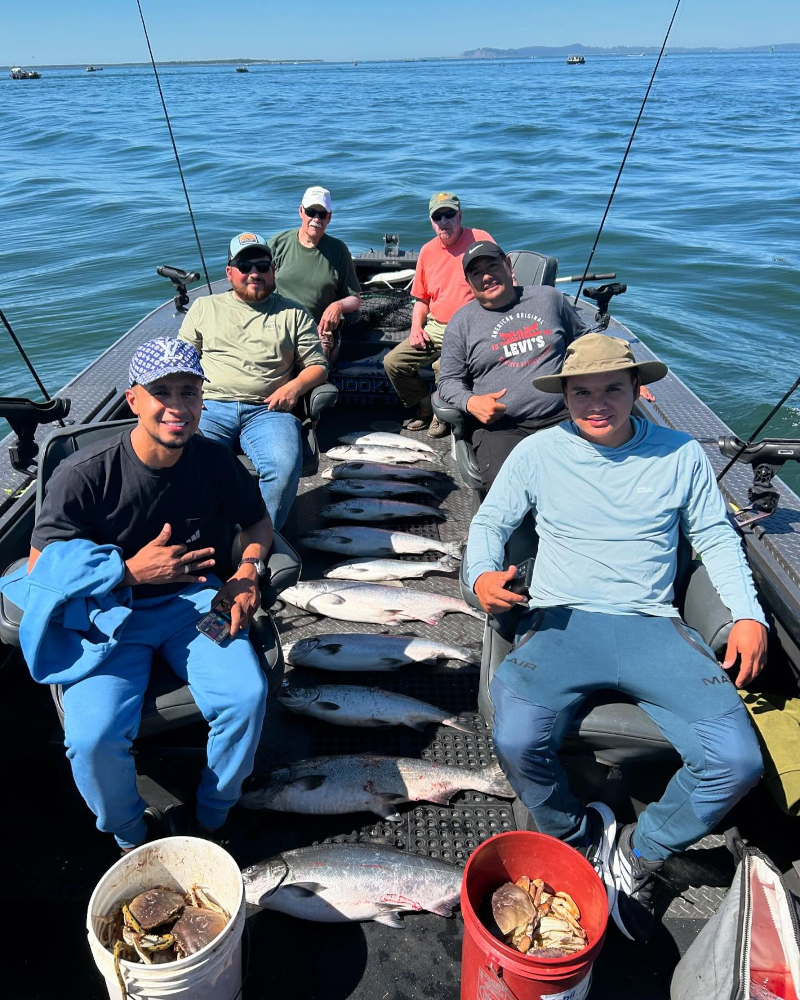
Hook’em Up Guide Service is aware of both inside and outside runs. Our knowledgeable guides place you in the correct water, on the correct equipment, at the correct time. Ready to lay your next Chinook? Call Hook’em Up Guide Service. Book your 2026 dates, lock in your spot, and get ready for a salmon trip you’ll remember for years.