Tips for Catching Trophy Chinook in the Willamette River
The Lower Willamette River between Portland and Oregon City yields some of the best spring Chinook salmon fishing in the Pacific Northwest. Every year thousands of anglers take to the water in these waters in search of “snow belly” springers sought for their rich, high-fat flesh. Yet catching a trophy Chinook here takes more than luck. It requires an understanding of run timing, tidal patterns, proven presentations, and a fishery developed through both hatchery production and ESA conservation rules. Whether you troll the deep shipping lanes around St. Johns Bridge or come to rest below Willamette Falls, this guide covers what you need to put a 20 plus-pound springer in the boat.
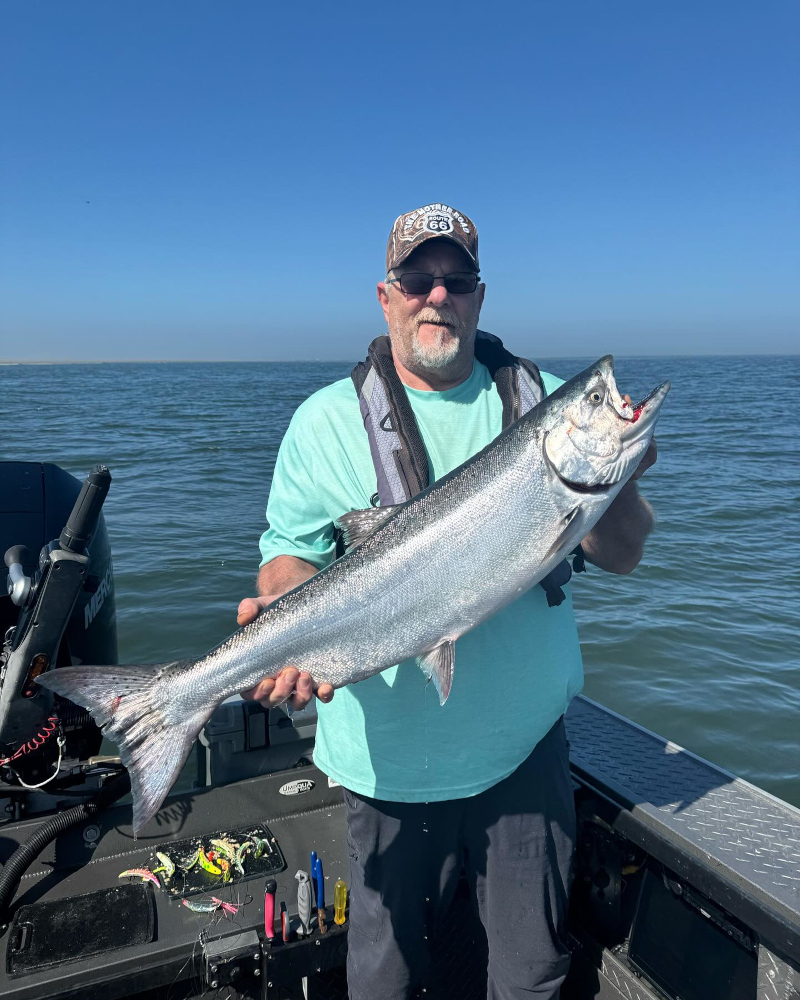
With the 2026 spring Chinook forecast pegged at 43,700 adults to the Columbia River mouth and new single-rod restrictions in place, the stakes are higher than ever. So let’s break down the tactics, timing and gear to give you the best shot this season.
Understanding Willamette River Chinook Run Timing and Seasons
Spring Chinook dominate the Lower Willamette fishery. Fish start coming up the river in late February, with numbers increasing in March and April. Peak passage at Willamette Falls usually takes place in late April into May. Most angler harvest occurs well before this peak as fish congregate in the lower river and are found in predictable locations. Water temperature determines the entire migration schedule. Cool springs keep good fishing going into June, and warm springs may kill the bite by mid-May.
Fall Chinook, by contrast, are a minimal fishery on the Willamette. Warm water temperatures have a negative effect on the quality of the bite and the fish themselves make poor table fare compared to springers. Fall-run fish below Willamette Falls are largely Columbia River strays and not Willamette-origin populations. Counts on the falls from August onwards are usually in the low hundreds. For trophy-hunting purposes, spring Chinook will deserve nearly all your attention.
Now that you understand the seasonal picture, let’s take a look at where exactly is the place to focus your efforts.
Best Locations for Trophy Spring Chinook on the Lower Willamette
The fishery migrates upriver as the season progresses. In late February and March, look for the head of Multnomah Channel, the region around the St. Johns Bridge, and Portland Harbor. The shipping lanes here are 50 to 80 feet deep. This is the first window for the best opportunity at trophy-class five-year-old fish that average over 20 pounds. Guides such as Marvin Henkel of Fast Action Fishing kick off their seasons here.
By the beginning to mid-April fish are pushing upstream into the Sellwood Bridge area and into Milwaukie. The dredged Portland Harbor channel is 35 to 60-plus feet deep. Fish here are suspending from 10 to 25 feet below the surface instead of hugging the bottom. Many newbies in this stretch make the mistake of fishing too deep. Trolling circles under the Powerlines near Swan Island is still a legendary and productive pattern during this phase.
From mid-April to May, the action is concentrated from Lake Oswego to Oregon City. Fish are stacked below Willamette Falls and anchor fishing becomes the predominant technique. Experienced anglers know these “hoglines” pay off by arriving early and staying on. With the place strategy in hand, let’s get into the specifics of the techniques that bring results.
Trolling Techniques for Willamette River Spring Chinook
Trolling is the predominant approach of the lower river. The standard rig is a Green Label herring (plug-cut or whole) rigged with 50 to 60 inches behind a spreader, with a 6 to 10 inch no-drag Fish Flash attractor. The 360 degree flasher has largely replaced the triangle flasher on the Willamette because it revolves well in the slower current of the river. The most popular brand is called Short Bus. Run it with a 32 to 38-inch leader and adjust leader length on a daily basis because shorter leaders have more action.
Tidal influence causes separation of productive days and blanks. Ocean tides have an effect on current all the way out to Willamette Falls. In addition to trolling, anchor fishing brings excellent results later in the season.
Essential Gear and Tackle for Willamette Chinook Fishing
Trolling rods should have a 7.5 to 9 feet in medium heavy power with moderate action. A graphite and fiberglass hybrid offers the soft tip necessary for flasher pulse and backbone for big fish. Pair your rod with a level wind baitcaster with line counter. Depth control in the varying depths of the Willamette makes the use of line counters non-negotiable. The Shimano Tekota and Daiwa Sealine are tried and tested workhorses.
Spool up with 40- to 50-pound braid for mainline for sensitivity and thinner diameter. Run a 25 to 30 pound fluorocarbon or monofilament leader 7 to 8 feet. Cannon ball sinkers for sliders (6 ounces standard – 10 to 12 ounces in the deep Portland Harbor channel) Sliding 2-hook mooching rigs with 4/0 and 5/0 Gamakatsu octopus hooks deal with both herring and prawn presentations. Brine your herring in Pautzke Fire Brine and change colors: blue-early morning, chartreuse-later, natural-all day. Beyond gear, understanding the regulatory landscape ensures you will be fishing legally and ethically.
2026 Willamette Chinook Regulations Every Angler Must Know
Mark-selective fishing rules mean that you must immediately release all wild (unclipped) Chinook. Only adipose fin-clipped hatchery fish are allowed to be retained. Upper Willamette spring Chinook have been listed as ESA threatened since 1999, and a NOAA review in 2024 determined that wild population viability has further decreased. The hatchery system releases 4.4-5-plus million smolts a year to maintain the harvest, but the wild populations have declined approximately 99% from historical levels.
The largest change for 2026 is the elimination of two-rod validation. ODFW’s forecast of some 32,000 hatchery fish is below the 34,000 threshold needed to authorize two rods. Single-rod fishing throughout the season. You also need a Columbia River Basin Endorsement on your license as well since the Willamette is part of the Columbia system. Penalties for keeping a wild fish are significant so learn to identify the adipose fin clip quickly and confidently. These rules insure the future of the fishery and knowing them makes you a better steward of the resource.
Book Your Willamette River Trophy Chinook Trip with Hook’em Up
The Lower Willamette offers world class spring Chinook fishing within minutes of downtown Portland. The 2026 season has more regulations and a lower forecast, which means preparation and technique is more important than ever. Every tip in this guide is from the same base of knowledge that professional guides use daily on this river.
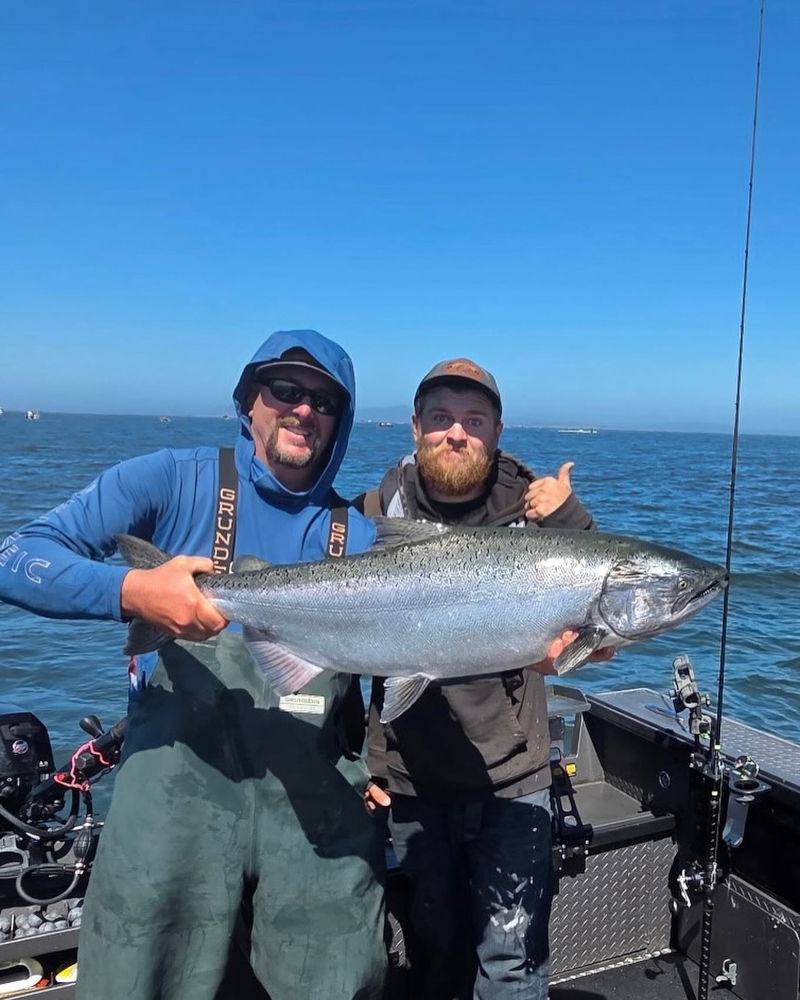
Ready to put these tactics to work and put the trophy springer in your hand?
Contact Hook’em Up today to book your guided Willamette River Chinook trip. Our experienced guides know the tides, the water and the presentations that produce results. Spots fill up fast during peak season so save your dates now and let us put you on the fish of a lifetime.